

- Home
- >
- Latest News
- >
- Principal Au interviewed by EDigest : AI education and resource allocation
Principal Au interviewed by EDigest : AI education and resource allocation
Date: 26/03/2026
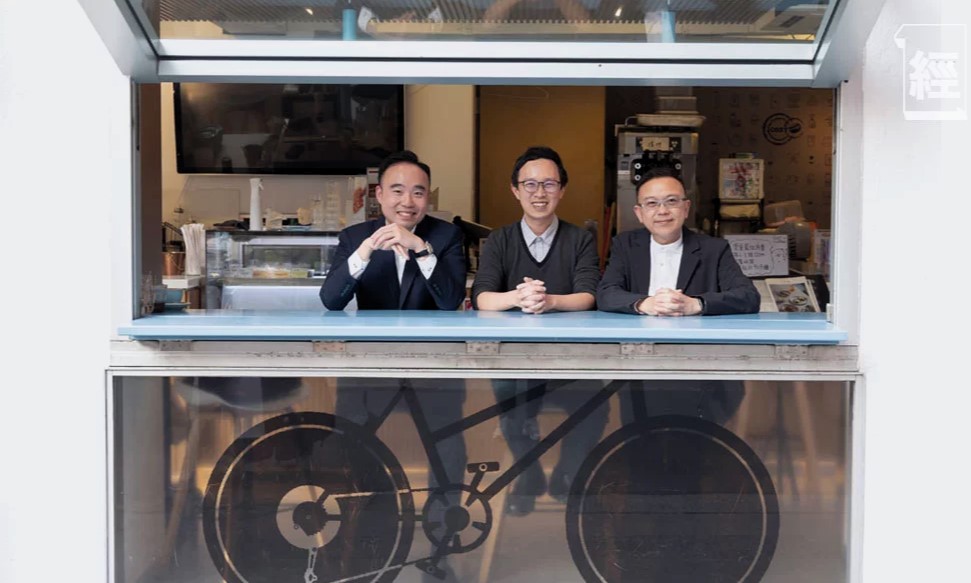
Thank you 經濟一週 EDigest, one of Hong Kong's leading financial platforms, for interviewing Principal Au to share about a global hot topic: AI education and resource allocation.
Principal Au offers several key insights regarding the integration of AI in education:
Caution Against Superficial AI Adoption: Principal Au warns against the tendency for commercial companies to emerge and capitalize on government funding for AI, often offering "canned solutions" or encouraging schools to purchase "cool-looking robots" primarily for public relations rather than genuine educational enhancement. He emphasizes that AI must be truly integrated into the curriculum, not merely used for one-off promotions or superficial displays.
Hong Kong's Unique Advantage: Despite the challenges, he highlights Hong Kong's invaluable asset: a "spirit of experimentation" among its educational professionals. This culture of willingness to try different approaches allows schools to learn from each other's practices and ultimately develop AI integration models best suited to their specific contexts and needs.
Examples of Effective AI Integration: He shares a practical example from his school where students use AI for interdisciplinary game development. This process allows students to master AI technology while simultaneously exploring and applying knowledge from various academic subjects.
Historical Perspective on Technology Adoption: Principal Au draws a parallel between the current anxieties surrounding AI and past fears about the introduction of calculators and computers. He predicts that just as those tools eventually became indispensable and professionally applied, the initial fear of AI will transform into a professional understanding and application as people become more familiar with it.
Redefining the Teacher's Role: He advises teachers not to simply fear students using AI for assignments. Instead, he encourages them to guide students on how to use AI effectively as a tool—for instance, to expand vocabulary, structure essays, or refine their writing. The goal, he states, is to enable students to produce higher quality work, which is the ultimate purpose of teaching.
Encouraging Self-Reflection in Students: Principal Au recounts a thought-provoking question posed by a parent during a career day: "If everyone relies on AI, why would a company boss hire you instead of the person next door?" This question, he notes, compels students to critically think about their unique value and what sets them apart in an AI-pervasive world.
AI Frees Teachers for 'Nurturing': Ultimately, Principal Au believes that AI will free teachers from the time-consuming task of rote knowledge transmission. This liberation allows educators to return to their fundamental mission of "nurturing individuals." He concludes that while teachers who merely "teach knowledge" might be replaceable by AI, those who "nurture individuals" are irreplaceable.